

Blastocyst Culture

HomeBlastocyst Culture

WHAT IS BLASTOCYST?

Blastocyst Culture

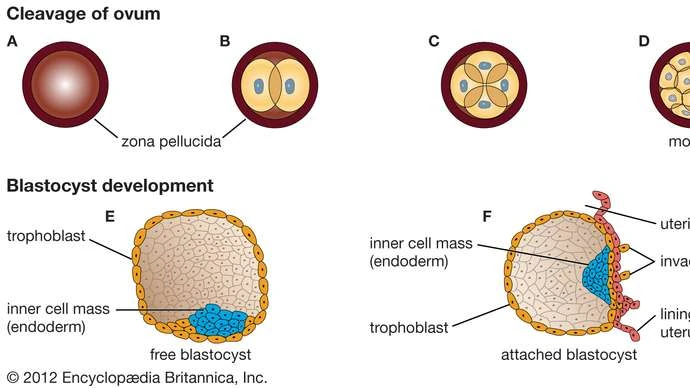
The blastocyst is a structure formed in the early development of mammals. It possesses an inner cell mass (ICM) which subsequently forms the embryo. The outer layer of the blastocyst consists of cells collectively called the trophoblast.

Blastocyst, a distinctive stage of a mammalian embryo. It is a form of blastula that develops from a berrylike cluster of cells, the morula. A cavity appears in the morula between the cells of the inner cell mass and the enveloping layer. This cavity becomes filled with fluid. The blastocyst differs from the blastula in that it is composed of two already differentiated cell types, the inner cell mass and the enveloping layer.

WHAT ARE THE ADVANTAGES OF BLASTOCYST CULTURE?

  • The human body is the best incubator for human embryos but if there are several embryos to choose from on day 3, we know that not all will survive to day 5 whether they are in the laboratory or the womb. Keeping the embryos in the laboratory for these two extra days eliminates the possibility of transferring a (healthy-looking) embryo on day 3 which would naturally perish before day 5. Therefore it gives a better chance of transferring an embryo which will lead to a successful pregnancy and birth.
  • The decision to choose a day 3 or day 5 embryo transfers will depend on the circumstances at the time. The embryologist will fully discuss this with the patient. We believe it is correct to proceed to day 5 wherever possible and do not believe that finance should play a part in this decision.

CAN EVERYONE HAVE A BLASTOCYST TRANSFER?

  • Blastocyst transfer is not suitable for everyone. It is a laboratory selection process to identify the best embryo. In patients with only 1 or 2 embryos the embryos have already selected themselves for transfer and there is no significant advantage to leaving them outside of the uterus for longer.
  • Not all embryos are happy in the laboratory environment and for this reason you may benefit from a transfer on Day 2 or 3. If your embryos’ development is a little bit slow or if it is already clear which embryo is the strongest for transfer, the embryology team will recommend a Day 2 or Day 3 transfer. It is important not to feel disheartened as there is still a good chance of a successful pregnancy following a transfer on Day 2 or Day 3.
Welcome to Srijjan IVF